You never call, you never write…
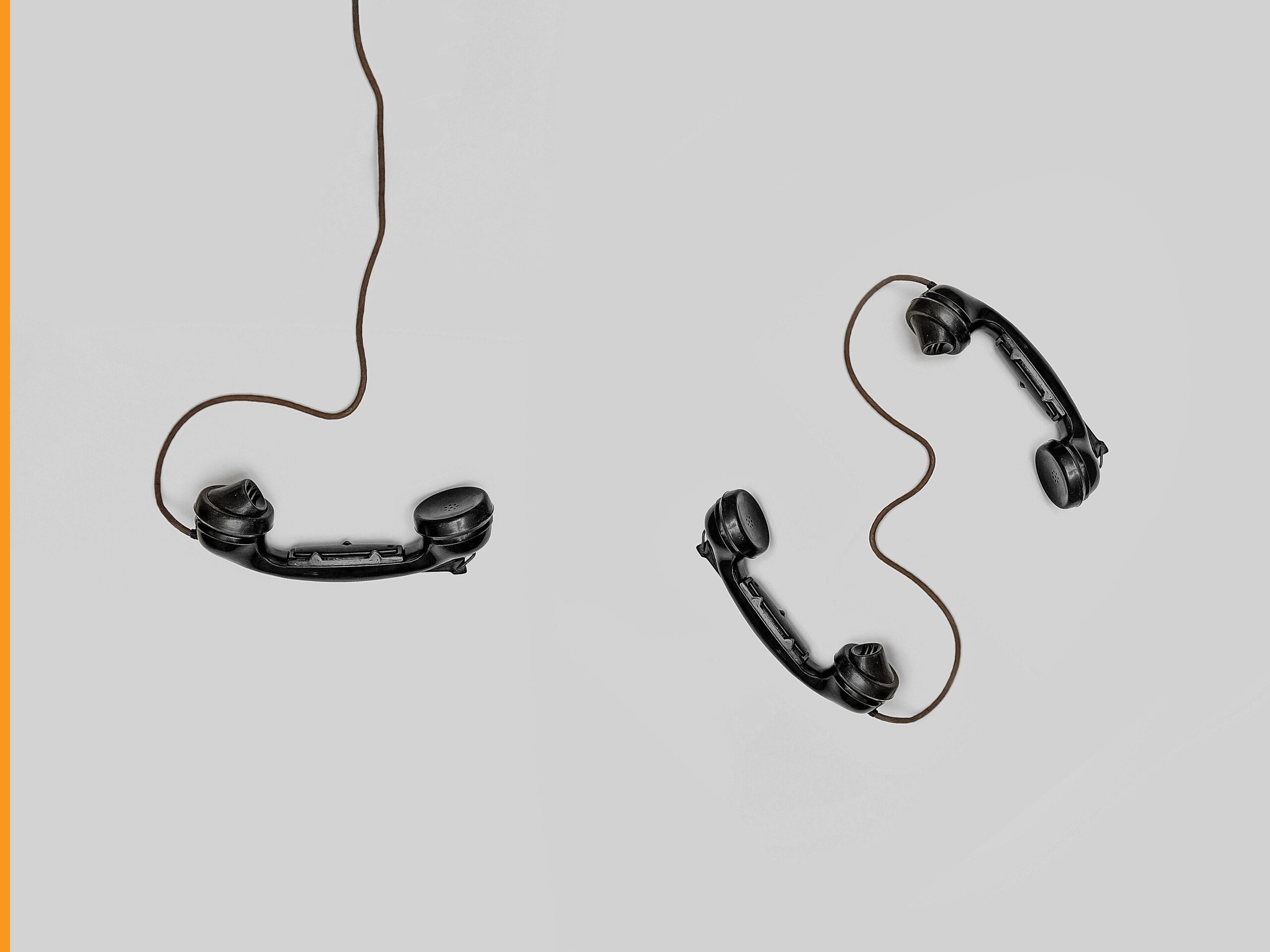
In our world of 24/7 communication, the options for ways to talk to each other are endless. It wasn’t always the case. 30 years ago, for many, email was only an option at work, at your desk and within your Organisation and that was it. 20 years ago, we were only just discovering mobile phones could do more than text, 15 years ago computers were bigger and iPads were but a twinkle in Steve Jobs’ eye.
Look how far we’ve come – or have we? This ability to communicate day and night through so many media, is giving rise to something of a rebellion. Some colleagues are choosing to slow down their communication and not get back to people too quickly – or risk setting up unrealistic expectations. This is understandable but can be highly frustrating to others who are waiting for a response and don’t understand why they are not getting it.
So how long is too long to get back to someone and what is a realistic expectation for a response time?
There are those of us at one end of the scale who will reply in a nanosecond and not understand why it isn’t reciprocated at similar speed. And then there are those of us who like to weigh up the urgency, take it one task at a time and not interrupt what we are doing to respond to a communication that needs to be prioritised. I’m the former by the way, which will come as no surprise to those who know me. It’s driven by a “Do it now or it’ll slip off my list” mentality. “Make better lists” I hear you cry. Noted.
In the end, speed of response depends on a number of factors including the nature of your work, the kinds of communication options you have available to you, time zones, locations and your own personal style of communication. And there are some rules of good practice we can all apply including:
- Recognising the value of the “holding email” to acknowledge receipt of a contact you can’t fully reply to yet. It manages expectations, lets the sender know you’re on it and hopefully gets them off your back
- Being clear in your team and/or Organisation – and even with your clients – what mode of comms to use when. Not everyone does a desk job and can reply to a message quickly so it may be better to call. Some people do work that makes a phone call very difficult to take but they can reply quickly to a WhatsApp message. Lay out your communication best practices and stick to them
- Managing expectations – this means letting others know what to expect by way of reply timings. Use out of office messages - they help your colleagues manage their time and dependency on your reply
- Acknowledging that just because you can, doesn’t mean you should. Some team members are drowning under expectations that they will stay fully tuned in to 20 WhatsApp groups, their email, texts, Teams channels and intranet. That’s just not fair. If you want a timely response – pare it down a bit
- An awareness that having fast tools at our fingertips, sometimes slows us down. Before burying yourself in tech, it’s worth asking if a quick chat or call might be faster and lead to less to-ing and fro-ing. Picking up the phone – or picking your feet is seen as a bit vintage but it’s still a valid way to communicate. And as the old saying goes – it’s good to talk.
- Know who you are dealing with. Some people are happy to give you their initial thoughts on an issue even if not thought out yet, so they’ll reply quickly. Others like to think things through and give you their fully formed response so may take longer. Both add value – it depends on the situation and the need.
Perhaps it is time to re-examine the way we communicate and respond to others at work. Agree what works well that you want to keep and what needs a bit of reinvention – to serve everyone better. And try to keep ego out of it. Holding off on responding to make a point or show how busy and important you are just makes you look petty or inefficient.
It’ll be fun to write this blog again in a few years’ time and see what has progressed in the world of work communications. Maybe we’ll be able to engage with each other through thought transmission. Until then and in the absence of mind-reading, let’s use the tools we have to best effect and in the words of Debbie Harry - not leave each other hanging on the telephone.